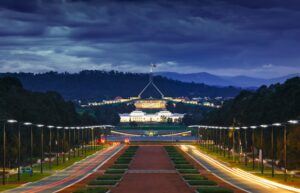
Over the last few weeks, immigration has been a hot topic of discussion in parliament. It appears immigration minister Tony Burke has been considering a raft of changes to reduce net migration numbers.
To facilitate reducing net migration, some ‘quiet changes’ have come into effect. On 25 July, the Department of Home Affairs announced a ministerial directive which would prioritise processing of visa applications from onshore migrants across the skilled and family migration programs.
Visa application charges were also increased from 1 July. While they weren’t formally announced, it’s believed they were decided in early 2026.
In addition, Mr Burke proposed more changes to cabinet in regard to reducing net overseas migration numbers. Cabinet was unable to land on a decision and instead decided to wait for Prime Minister Albanese to return from leave before finalising anything. This resulted in Mr Burke postponing a speech to the National Press Club that would outline his migration overhaul.
It’s believed these proposed changes included the prevention of spouses, children and parents of Australian citizens and permanent residents applying for family visas while in Australia as tourists. This would mean applicants would need to wait overseas until their permanent visa is processed. Under the new ministerial directive, this could also see their application de-prioritised.
Also expected to be announced is the restriction on the rights of humanitarian visa applicants to work while their claims were assessed and to appeal rejections of their claims.
The Labor government is looking to reduce the net migration figure to 225,000. While the figure has been decreasing year on year, the 2025 figure sat at 305,000n – a figure well above target.
Why are changes to immigration being considered?
The Labor Party declares that these changes are being introduced to ‘re-tune’ the migration system so that the migration numbers align with migration forecasts. However, many believe there is more to it than that.
Housing pressures and strains on infrastructure and services continue to be an issue. Migration is often blamed for these issues, but researchers claim migration isn’t the only factor that has an impact on these issues and isn’t the sole motivation for Labor introducing changes.
In recent months there has been mounting political pressure from the Coalition and One Nation parties to reduce migration numbers. Recent polls have shown that support for Pauline Hanson’s One Nation Party has increased – something that isn’t sitting well with the government.
According to the Sydney Morning Herald, voters have condemned the Albanese government’s management of immigration policy with 54% agreeing they are running the portfolio in an ‘unplanned and unmanaged way’. This is despite Labor preparing to unveil tougher rules on visa overstayers and dishonest asylum claims over the next fortnight.
The Coalition and One Nation’s opinion
Both the Coalition and One Nation believe migration numbers are too high and have proposed sizable cuts to net migration. One Nation has proposed a cap of 130, 000 migrants while the Coalition has not yet specified a figure.
While these political parties are citing high migration numbers, some reports question if these parties actually understand how the numbers and in particular net overseas migration numbers work and are calculated.
There are questions as to whether Labor’s proposed changes are proactive in regard to reigning in migration or reactive based on the Coalition and One Nation’s commentary. Regardless of the motivation, this issue is evolving. The immigration minister is due to address the National Press Club over the coming weeks.
Visa Solutions Australia will provide updates as they occur.
To learn more about the proposed changes to immigration policy or any aspect of migration, contact the team of experienced registered migration agents at Visa Solutions Australia.